MALE VOCAL
El Triste: the 1970 performance that made José José a star
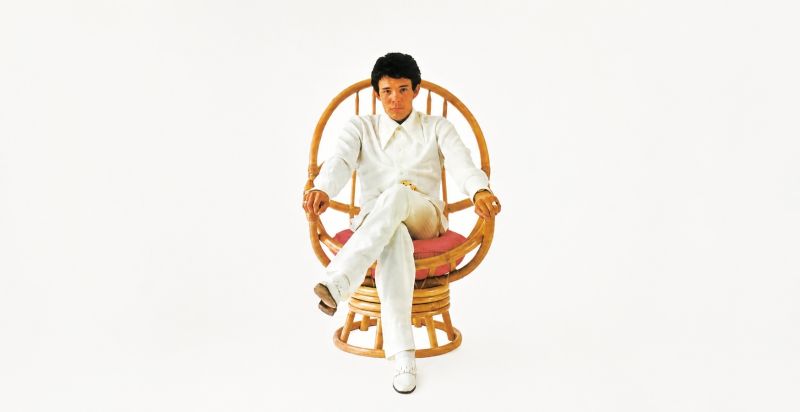
José José release cover

By Serg Childed
At Mexico City's II Festival de la Canción Latina in 1970, José José presented El Triste, a dramatic ballad by Mexican composer Roberto Cantoral. The song finished in third place at the contest, often remembered as a predecessor of the OTI Festival, but the ranking did not define the moment. The performance gave José José the public identity that later made him known as El Príncipe de la Canción..
The title translates as The Sad One, and the lyric keeps that idea direct. The narrator speaks from the loss of a loved one, without making the story too specific. That openness is useful: the song can be heard as the loss of a lover, a family member, or a figure whose absence has become the centre of daily life. Cantoral reportedly connected the song to grief for his mother, but José José's version leaves enough space for listeners to place their own loss inside it.
José José's performance depends on vocal control. El Triste asks for long breath, high notes, carefully delayed phrases, and restraint at moments where another singer might simply push harder. He does not just sing sadness loudly; he shapes it through timing, pressure, and release.
Listen to José José perform El Triste:

Unlike many Latin hits built on a clear and easily readable harmonic frame, El Triste feels less orderly and harder to take in purely as a composition. That makes its long public life more striking. The song's endurance belongs largely to José José himself: he found a way to carry emotional clarity through a harmonically uncertain space, turning a difficult ballad into a performance that listeners could remember before they could explain it.