Choir
Miserere mei, Deus: Allegri's sacred music myth
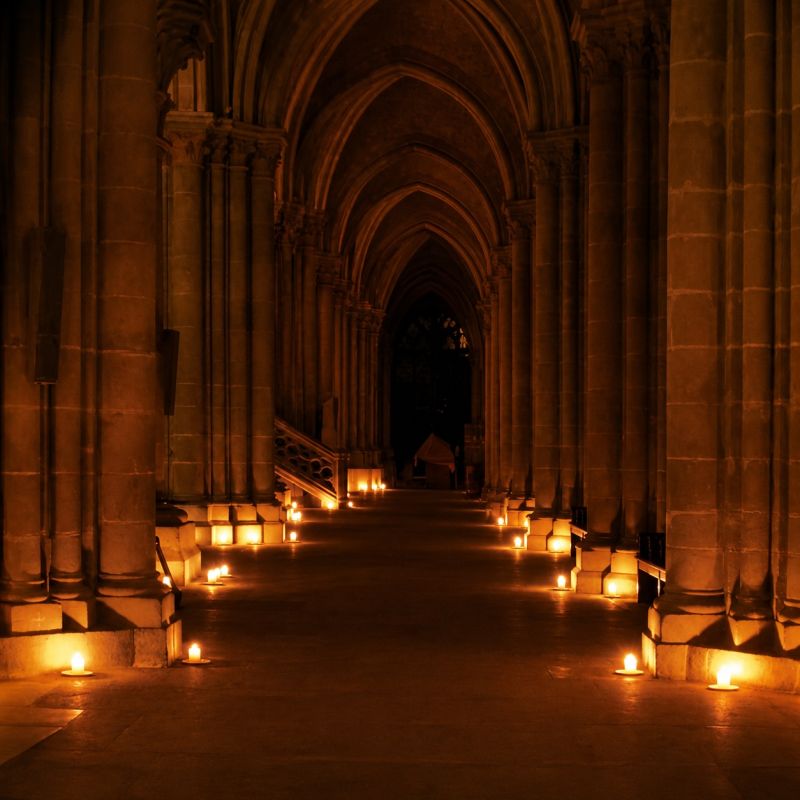
Miserere mei, Deus release cover

By Serg Childed
Gregorio Allegri's Miserere mei, Deus belongs to the sacred repertory of the papal chapel in Rome. The title translates as Have mercy on me, O God, the opening words of Psalm 51 in Latin. Its association with Holy Week, the Sistine Chapel, and the solemn ritual atmosphere of Tenebrae helped turn the work into one of the most legend-filled pieces of sacred music.
The work is surrounded by a story almost as famous as the music itself. For a long time, the Sistine Chapel version was treated as a guarded repertory, and later tradition claimed that copying it was forbidden. The best-known part of the legend says that the teenage Wolfgang Amadeus Mozart heard the piece in Rome in 1770 and wrote it down from memory. The story is broadly rooted in real events, but its later retellings turned a controlled chapel repertoire into a tale of secrecy, genius, and forbidden sound.
Musically, Miserere mei, Deus is built from contrast rather than dramatic development. Plainchant-like verses alternate with choral sections, and the famous modern sound depends on a performance tradition that lets a high soprano line rise above the texture.
Watch Tenebrae, directed by Nigel Short, perform Allegri's Miserere mei, Deus at St Bartholomew the Great, London:
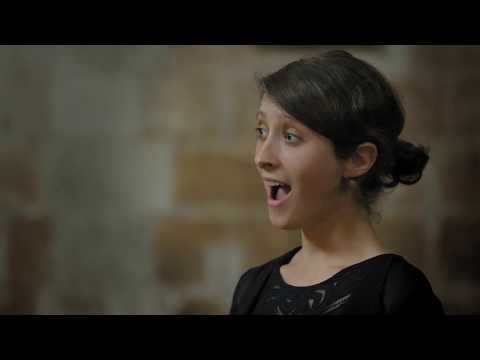
The crucial soprano climax first appears around 1:35 in this performance, with a slightly longer variation returning around 3:50. In the version most often performed today, these moments belong to the four-voice falsobordone section, where the upper voice suddenly lifts far above the choir. That high line is what many listeners remember first: not a separate aria, but an ornamented choral moment that became the modern signature of Allegri's Miserere.