Glass Armonica
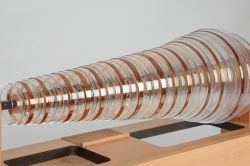
The glass armonica produces sound from rotating glass bowls touched by wet fingers, creating a sustained and otherworldly tone. The instrument became fashionable in the late Classical period and attracted music by composers including Mozart and Beethoven. Its fragile color made it useful for chamber music, theatre, and later historical revivals interested in unusual acoustic instruments.
2 articles related to Glass Armonica:

Get the Latest
Music Tales
In Your Inbox


