GUITAR
Amor Eterno: meaning behind Juan Gabriel's song of loss
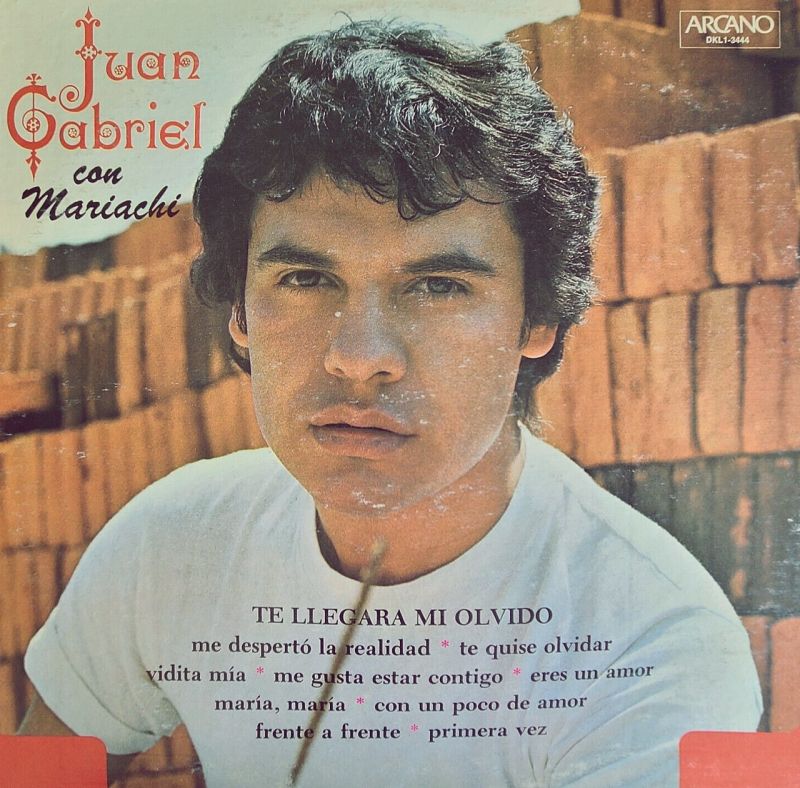
Juan Gabriel LP cover

By Serg Childed
Amor Eterno is one of Juan Gabriel's most enduring songs of grief, memory, and love after death. Written by the Mexican songwriter and later made especially famous through Rocío Dúrcal's interpretation, the ballad moved beyond ordinary romantic repertory and became a song often used for mourning, remembrance, and public tribute.
The title translates as Eternal Love, and the lyrics speak from the rawest point of absence. The narrator does not describe a breakup, but a death: the beloved is gone, the eyes have closed, and the wish that they were still alive becomes the emotional centre of the song. Lines such as "Cómo quisiera que tú vivieras" make the meaning direct, almost unbearable in their simplicity.
The song is widely linked to the death of Juan Gabriel's mother, Victoria Valadez, in 1974, a loss he learned about while away from home. Whether heard as a personal elegy or as a general song for someone who has died, Amor Eterno works because it avoids distance. It gives grief a melody that can be sung publicly without making the feeling less private.
Listen to Juan Gabriel perform Amor Eterno:

Musically, Amor Eterno uses the language of Mexican popular song with unusual emotional control. The arrangement can carry mariachi colour, orchestral weight, or a more intimate ballad setting, but the song always depends on the same direct movement between voice and phrase. Juan Gabriel's writing leaves space for a singer to stretch the pain without losing the clarity of the melody.
Rocío Dúrcal's version became one of the defining interpretations of the song, and later performances by Pedro Fernández, Mariachi Vargas de Tecalitlán, and many others helped keep it in circulation across generations. That afterlife is part of the reason Amor Eterno remains so powerful: it belongs to Juan Gabriel's personal world, but listeners keep finding their own dead, their own mothers, and their own unfinished farewells inside it.