SONGWRITER
Oye Mi Amor: meaning and harmony of Maná's hit
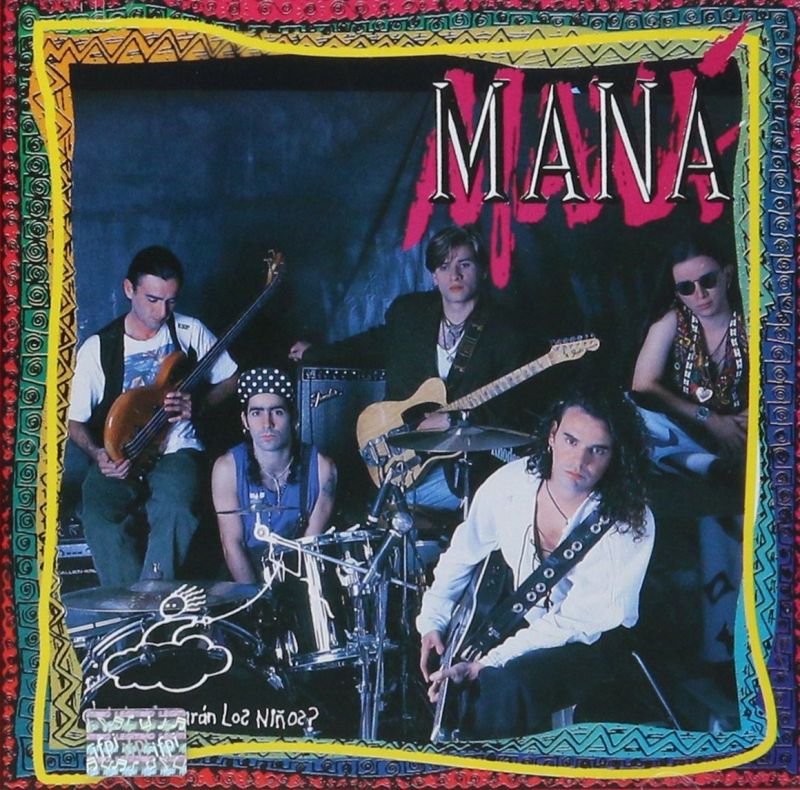
Maná's ¿Dónde Jugarán los Niños? CD cover

By Serg Childed
Oye Mi Amor is one of the signature tracks of the Mexican rock band Maná. Released on their 1992 album ¿Dónde Jugarán los Niños?, it marked the band's first major international success. The record has been hailed as the best-selling Spanish-language rock album of all time, and many fans consider it the band's best album.
The lyrics of Oye Mi Amor—literally meaning Listen, My Love—are addressed to the narrator's sweetheart. The song is not a quiet confession, but a direct appeal: he asks her to notice him, questions her current relationship, and insists that he could love her better than the man she is with.
According to Alex González, the band's drummer and co-writer, Oye Mi Amor is "a reggae-infused pop-rock anthem about a relationship" that became a true cover hit through the interpretations of other artists. Following the song's enduring popularity, Maná has consistently performed it live in various arrangements and has released several studio versions including a reggae remake as well as an unplugged one.
Listen to Oye Mi Amor by Maná:

Composed of three sections, Oye Mi Amor provides a good example of the rational application of classical tonal theory in a pop song that yields such a catchy musical pattern.
In the harmonic analysis of the verses, the scale degrees (denoted with Roman numerals) show the typical two-chord alternation in the key of B minor (the B Aeolian mode): Bm–A or i–VII. Song harmony is gradually developed in the bridges beginning with the lyrics "pero tu ya tienes otro". Here, the A major subtonic chord appears at the beginning of the phrase, after which the G major submediant chord expands the second-line progression:
- A–Bm–A–Bm or VII–i–VII–i;
- A–G–A–G–A or VII–VI–VII–VI–VII.
Note that the A and G chords act as dominant and subdominant areas of the D Ionian mode. Their alternation creates a sense of expectation for the upcoming D major tonic chord at the beginning of the chorus, thus completing the modulation into the relative major scale. As such, the chord progressions of the chorus are interpreted in D Ionian:
- D–A–Bm–G or I–V–vi–IV;
- D–A–G–A or I–V–IV–V.
Learn more about the structure of these diatonic musical modes explained through the harmonic analysis of popular songs in the following articles:
- 8 songs to introduce Aeolian mode and natural minor scale
- 6 songs combining harmonic minor and Aeolian mode
- Mariposa Traicionera: meaning and flamenco roots of Maná's top hit
- Livin' la Vida Loca: why is Ricky Martin's best song so catchy?
- A Dios le Pido: Juanes' Spanish lyrics behind the song success
- Suavemente: meaning of Elvis Crespo's best song
- El Farsante and 7 more songs by Ozuna in Dorian and Aeolian modes
- 6 songs to unpack Ionian mode and the major scale
- 9 Beatles songs that combine harmonic major with Ionian mode
- Burbujas de Amor: playful and saucy lyrics by Juan Luis Guerra