Big band
Begin the Beguine: meaning and origin of Cole Porter's song
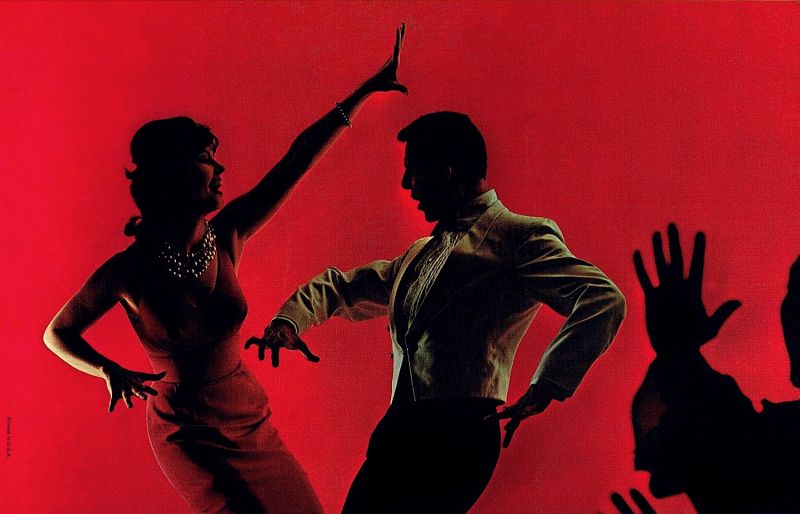
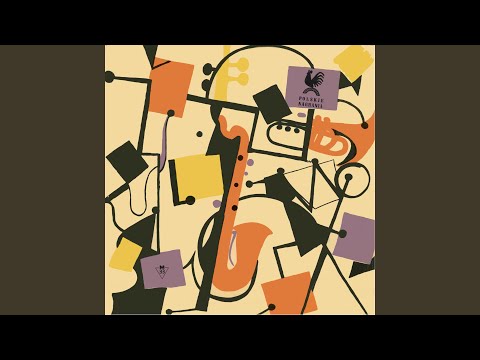
Francis Bay's Latin Beat – LP Cover

By Serg Childed
Begin the Beguine takes its title from the beguine, a slow Caribbean dance and music style related to rumba. Cole Porter wrote the song during a 1935 Pacific cruise aboard the Franconia, between Kalabahi in the Dutch East Indies and Fiji, turning the word "begin" into a playful echo of "beguine" while building a long song about memory, music, and vanished romance.
At first, Begin the Beguine did not become an instant hit. Its public life changed in 1938, when bandleader Artie Shaw released his swing-orchestra version. Shaw's recording expanded Porter's song into a large instrumental arrangement and brought it to a much wider audience, making Begin the Beguine one of the best-known standards of the Swing Era.
The song then entered the repertory of major singers and bands, including Harry James, Benny Goodman, Tommy Dorsey, and Glenn Miller. Later versions by artists such as Frank Sinatra, Ella Fitzgerald, and Julio Iglesias show how easily the song moved between big band, vocal pop, and international popular song.
The lyric is built around an act of return. When the beguine begins, music does not just accompany memory; it brings the old scene back into the present:
When they begin the beguine
It brings back the sound of music so tender
It brings back a night of tropical splendor
It brings back a memory ever green
That is why the title matters: the beguine is not only a dance rhythm, but the sound that reopens the whole memory of the song.
As Begin the Beguine gained popularity, its lyrics were also translated into other languages. The Polish version recorded by Irena Santor in 1961 became one of the song's notable European adaptations.
Listen to Begin the Beguine performed by Irena Santor:
The influence of Begin the Beguine has sparked inspiration among countless artists, resulting in a multitude of unique interpretations of the song. Noteworthy renditions include Frank Sinatra's recording in 1946, Ella Fitzgerald's cover in 1956, and Julio Iglesias' Spanish adaptation titled Volver a Empezar in 1981.