
Defining Gershwin rhapsody was conceived on a train trip

- Music Period:
- 20st Century Classical
- Country:
- USA
- Composer:
- George Gershwin
Rhapsody in Blue is one of the most performed of all American concert pieces, and its opening clarinet glissando is the most recognized jazz passage.
George Gershwin first found out he was meant to be writing his most innovative work from a newspaper point. Legend has it that Gershwin absolutely forgot that Whiteman (orchestral director) had commissioned a piece from him for the upcoming concert in New York. Gershwin had only five weeks left before the premiere.
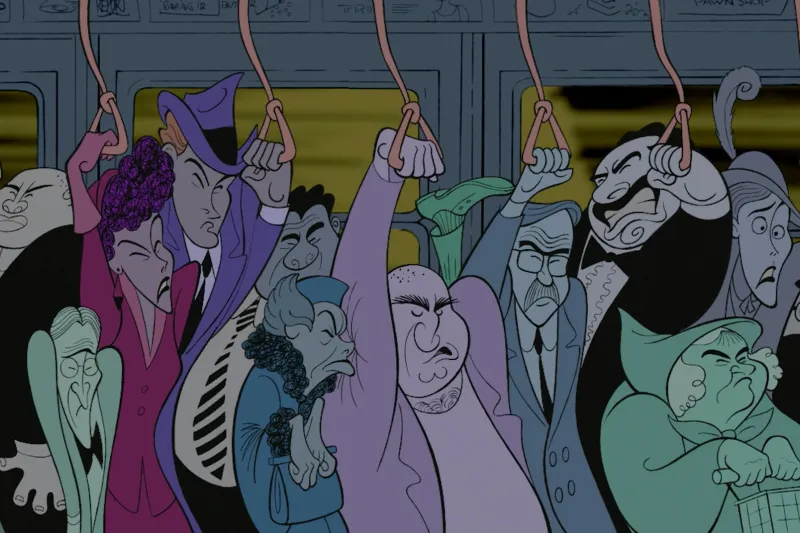
He began composing the new concerto immediately. Because he needed to travel to Boston, the main part was written on the train. The composer later claimed:
"It was on the train, with its steely rhythms, its rattle-ty bang that is often so stimulating to a composer (I frequently hear music in the very heart of noise) that I suddenly heard—and even saw on paper—the complete construction of the Rhapsody from beginning to end".
What Gershwin produced was not a “jazz concerto” but a rhapsodic work for “piano and jazz band” including details of European symphonic music and American jazz with its supreme melodic movement and keyboard facility.
The Rhapsody, with its composer as soloist, was premiered in front of a packed house that included such personalities as Rachmaninov, the violinist Fritz Kreisler and the conductor Leopold Stokowski.
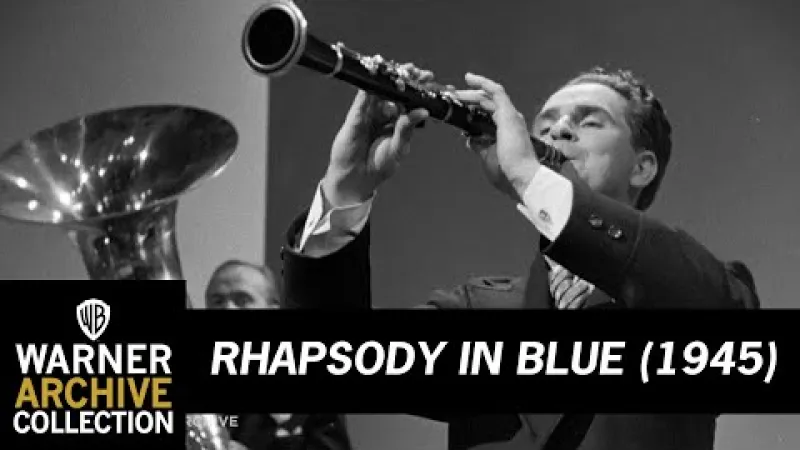
Here is an amazing scene from the movie Rhapsody in Blue:
Interpretation of Rhapsody by Glenn Miller:
Rhapsody in Blue by Jason Weinberger on SoundCloud.
You may also like
Trumpet Chet Baker: the divine voice of the West Coast jazz
Orchestra English Idyll through the eyes of the Lost Generation hero
Orchestra The Third Norfolk Rhapsody, lost a hundred years ago, was reconstructed recently
Trombone Moonlight Serenade got its name to contrast the sun
Choir Gershwin's Summertime: the most recorded song draws inspiration from Ukrainian lullaby and African American spiritual
Piano Spanish motifs contributed by Emmanuel Chabrier to the rise of Impressionism in France