

Garota De Ipanema: world's best-known bossa nova tune came to Jobim in a bar


Garota De Ipanema is one of the best-known songs in the bossa nova genre, a dance style that originated in the 1950s as a fusion of American cool jazz and Brazilian samba. The song title translates from Portuguese as the Girl from Ipanema—an area in South Rio de Janeiro with a famous beach. Deriving from the Tupi language, Ipanema quite paradoxically means "stinking pond".
As is often the case with dance hits, the song began with a melody that came to Brazilian composer Antônio Carlos Jobim in a bar as he watched a beautiful green-eyed girl walk to the beach with a bewitching samba gait.
Jobim, who loved to visit the bar, soon found that the girl passed by regularly. On one occasion he invited the poet Vinícius de Moraes to admire this miracle, who immediately drafted the lyrics on a napkin which included the song's original title Menina Que Passa, that is, “the girl who passes”.
Listen to Antonio Carlos Jobim's The Girl From Ipanema performed by Frank Sinatra:

Garota De Ipanema was first recorded in 1962 and gained worldwide fame only a year later after the American release of its English version with lyrics adapted by Norman Gimbel.
Curiously, the song ultimately influenced the toponymy of Rio de Janeiro, since the bar became known as Garota de Ipanema while the nearby street was named after Moraes.
You may also like
Songwriter Desafinado: a song for those who cannot sing
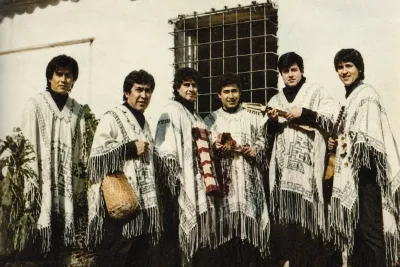
Songwriter Bamboléo: meaning and origin of the Gipsy Kings song
Trombone Moonlight Serenade got its name to contrast the sun
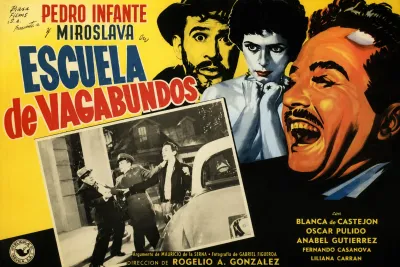
Film Cucurrucucú Paloma: the Mexican dove song of love and grief
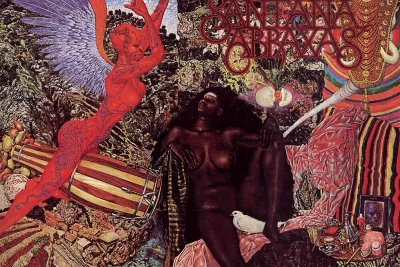
Songwriter Oye Como Va: meaning and origin of the best-known cha-cha-chá song
Songwriter La Bamba: meaning and tragedy behind the best-known son jarocho