
Isabella Leonarda: convent star of the Baroque era
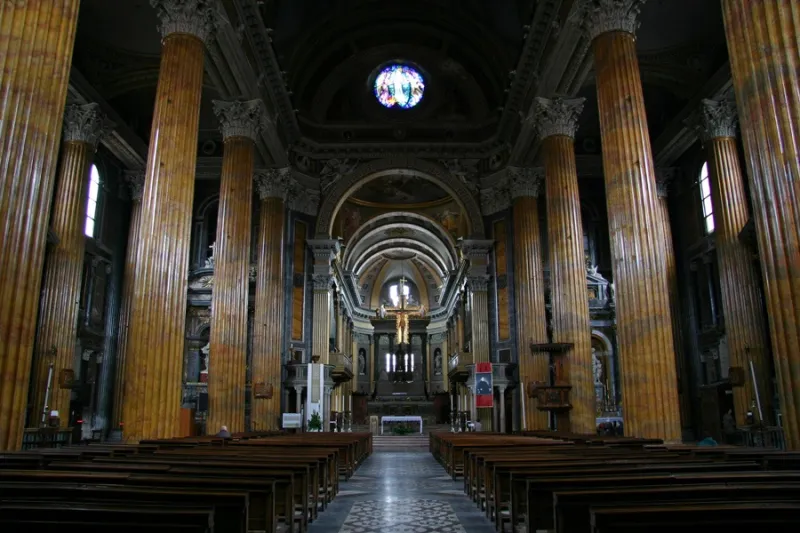

Isabella Leonarda’s works include examples of nearly every sacred genre: motets and sacred concertos for one to four voices, sacred Latin dialogues, psalm settings, responsories, Magnificats, litanies, masses, and sonata da chiesa. She also wrote a few sacred solo songs with vernacular texts. The intricate use of harmonies is a notable example of her influence in the cultivation of polyphonic music.
She composed throughout her life, with her music regularly being published from the 1670s which eventually made up to a total of 20 volumes.
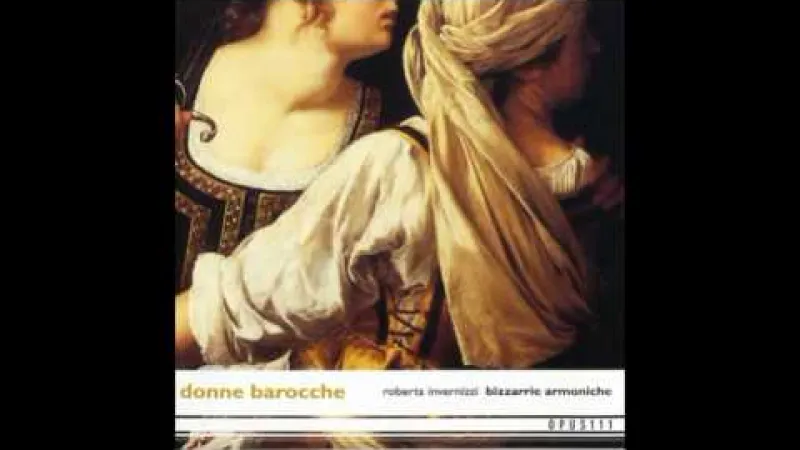
Isabella’s instrumental works, which appeared in 1693, are reportedly the earliest published sonatas by a woman. The collection consists of eleven trio sonatas and one sonata for solo violin and continuo. One of her most harmonically adventurous works, the Sonata duodecima, is comprised of seven parts, including two recitative-like sections.
The ensemble Bizzarrie Armoniche performs Sonata duodecima:
She was a very dedicated nun, eventually rising to the rank of Mother Superior for her convent and then becoming a Regional Counselor for the Ursalines.
Here is a charming vocal piece of Isabella's music performed by the Berlin Girls Choir: SoundCloud link.
You may also like
Orchestra The perfect union of Italian and French styles by Élisabeth Jacquet de La Guerre
Piano Lodovico Giustini wrote the first ever piano sonatas for the instrument invented by Bartolomeo Cristofori
Violin Only 18 sonatas survived to be the only proof of the maestro's life
Viola Indecent Ciaconne dance came from the New World and swept Europe off its feet
Choir Miserere mei, Deus: Allegri's sacred music myth
Orchestra Brandenburg Concerto dedicated to the king's brother was never played at Brandenburg court