

Alfonsina y el Mar: the poem behind Argentina's farewell song

- Music Period:
- 1960s
- Country:
- Argentina
- Genres:
- Folk, Latin, Popular Song
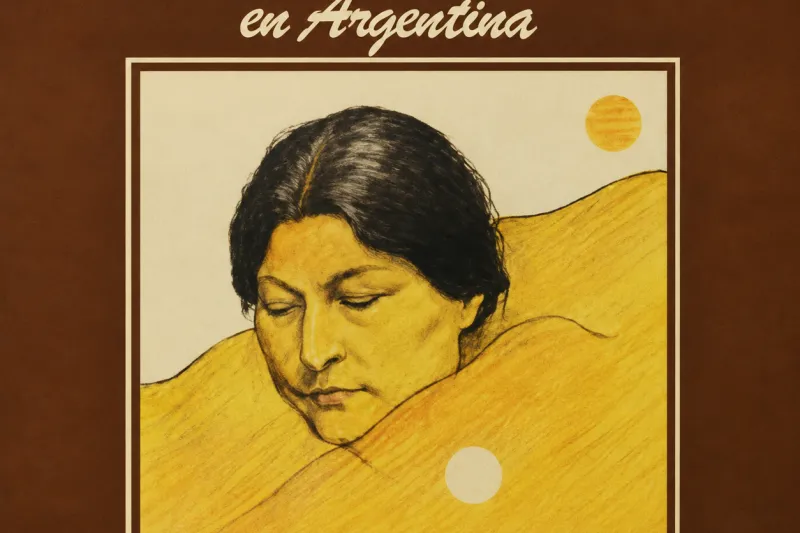
Alfonsina y el Mar appeared on Mercedes Sosa's 1969 album Mujeres argentinas, a song cycle about notable women in Argentine culture. Composed by Ariel Ramírez with lyrics by Félix Luna, the song is set as a zamba, an Argentine folk dance and vocal form.
The title translates as Alfonsina and the Sea, and the lyrics are built around the death of Argentine poet Alfonsina Storni. In 1938, after years of illness and depression, Storni took her own life in the sea at Mar del Plata. Accounts of the death often mention a breakwater, while the song follows the more poetic legend of her walking slowly into the water.
Mercedes Sosa's recording gave the song its central public voice, but Alfonsina y el Mar has also moved through concert song, folk, jazz, and classical settings. That long afterlife is not surprising: the story is direct and moving, while the image of a poet disappearing into the sea is simple enough to stay with each new version.
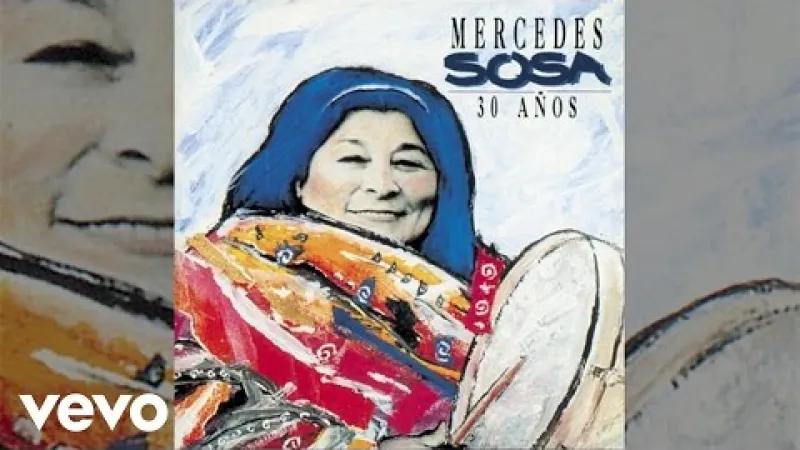
Listen to Mercedes Sosa perform Alfonsina y el Mar:
The Argentine zamba developed during the 19th century as a folk dance in which two dancers circle, approach, and withdraw while waving handkerchiefs. As a song form, it often supports lyrical, reflective texts. Despite the similar spelling, it is a different tradition from Brazilian samba, with a slower and more ceremonial character.
You may also like
Film La Llorona: the Mexican song of a weeping ghost
Songwriter La Bamba: meaning and tragedy behind the best-known son jarocho
Male Vocal Persiana Americana: meaning behind Soda Stereo's hidden gaze
Songwriter Just Another Diamond Day: the stunning rediscovery of the hippie-era gem
Choir Gershwin's Summertime: the most recorded song draws inspiration from Ukrainian lullaby and African American spiritual
Music Theory The Andalusian cadence: distinct chord progression of flamenco that captivated all pop music genres